This week is English wine week, and I’ve been lucky enough to attend an intriguing tasting in London where I focused on the still wines, rather than sparkling. Spoiler alert: yes, they’re very good!
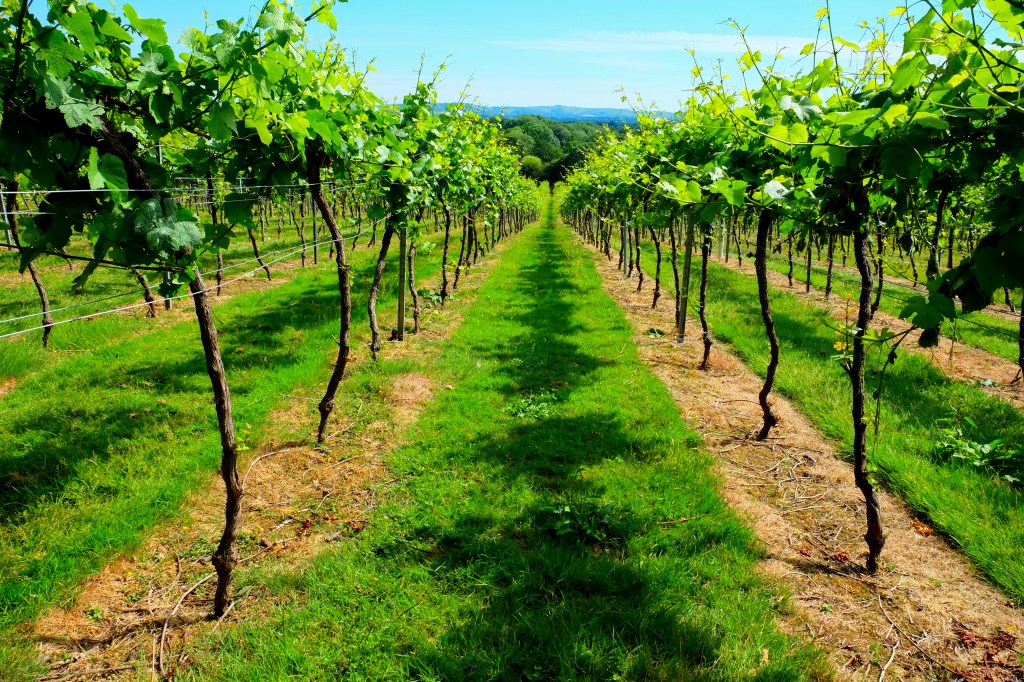
England’s climate meant that in the 1970s mostly German varieties were planted: Seyval Blanc, Bacchus and others. These were varieties that could ripen despite the relatively cold, wet weather, and which generally made sharply acidic wines. Champagne and sparkling wine is made with high acidity, so grapes don’t need to be as ripe. Plantings of the Champagne grapes Chardonnay, Pinot Noir and Pinot Meunier really took off in the 1990s, and English sparkling wine has now established a reputation for excellence. But what about Chardonnay and Pinot Noir as still wines?
The first tasting was a chance to find out. It included four urban wineries – all making wine in London, mostly with English grapes. The tasting was held at Renegade Urban Winery in Walthamstow, E17. It’s on an industrial estate next to Walthamstow wetlands… which makes it sound a bit bleak. It’s anything but. There are two breweries, a bakery and a few food trucks, as well as a restaurant and bar at the winery.
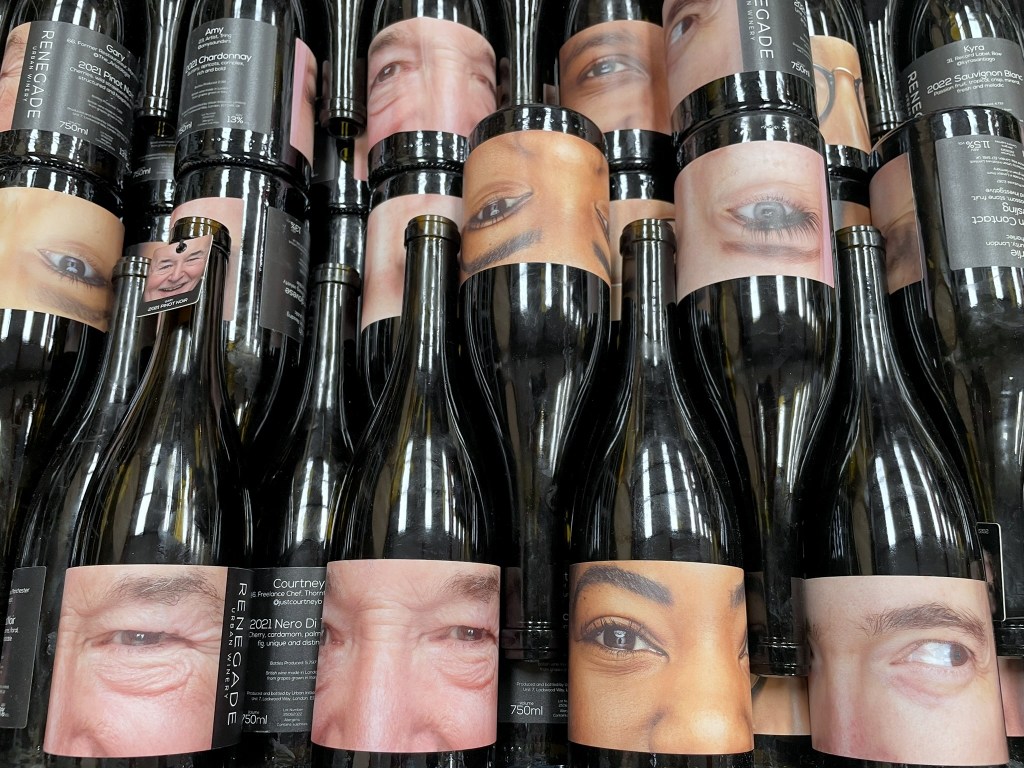
Renegade had a very nice, dry, summery rosé made from Cabernet Sauvignon. Yes, Cab Sav grown in England… which can struggle to fully ripen the early-ripening varieties like Chardonnay and Pinot Noir, let alone late-ripening Cabernet. It’s grown in Herefordshire in polytunnels, which has got to be expensive, but is an interesting idea. The ‘Esi’ rosé tasted of strawberries and cream, balanced with refreshing but not sharp acidity.
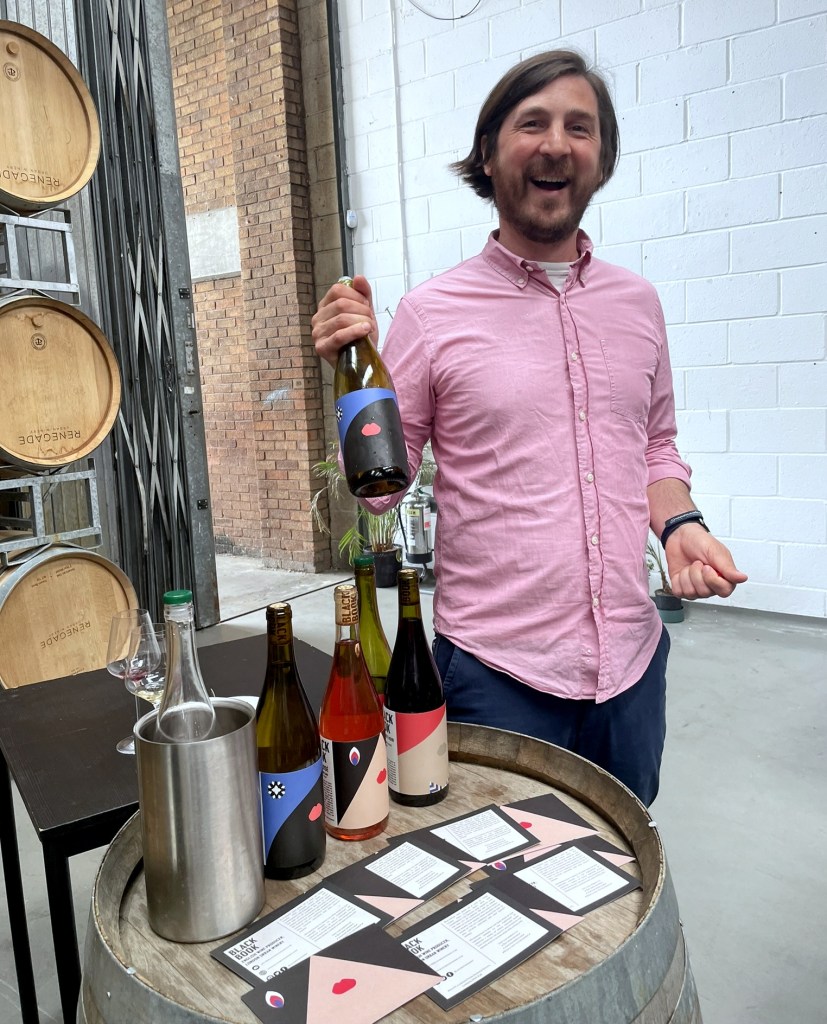
I’d wanted to try some of the still wines from Blackbook winery since reading about Sergio Verrillo and his wife Lynsey in the excellent Vines in a Cold Climate by Henry Jeffreys. The winery is in a railway arch in Battersea – how cool is that? The grapes are sourced from Essex, and are delivered to the winery within two hours of picking.
The Blackbook Pygmalion Chardonnay 2020 grapes are grown in the Crouch Valley, which is blessed with some warm, sheltered slopes that allow full ripening in our early autumn sunshine. The wine had delicious lemon, melon and pineapple fruit, with nutty flavours and a lovely, round body from barrel fermentation and lees stirring.
Vagabond is also based in Battersea: the urban winery is at the Vagabond tasting venue in Battersea Power Station. They were showing a ‘Pet Not’ described as “Pink Fiesta Juice!” and a skin contact Ortega, but I went straight for the Vagabond Chardonnay 2022, described as “Serious Chard!” – and indeed it was. As well as ripe golden apple, I got notes of pineapple and lovely smoke and flint notes. The fruit comes from Essex, which is the region I’m most excited about for still winemaking. Vagabond won four medals at the recently announced Decanter World Wine Awards 2024, for the Chardonnay I tasted, the 2022 Pinot Noir, and for two orange wines.
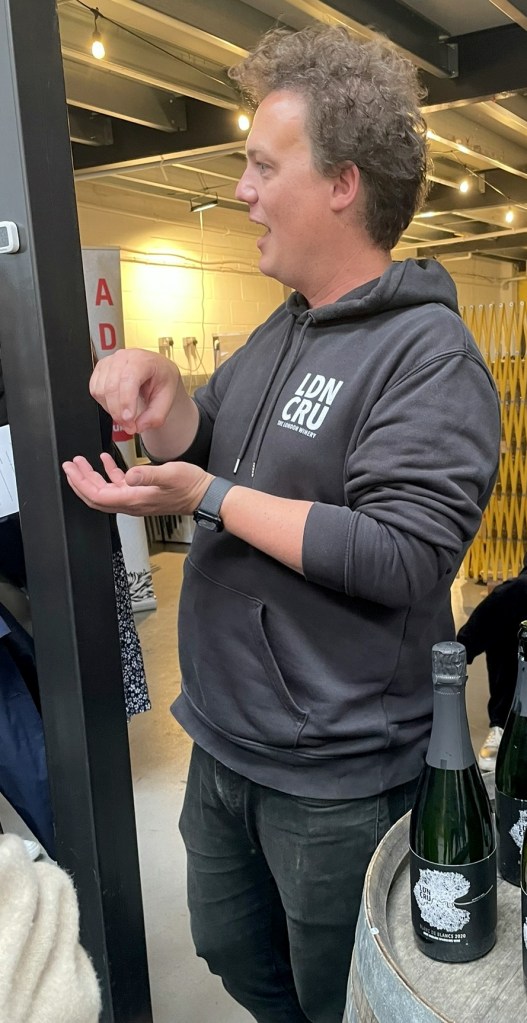
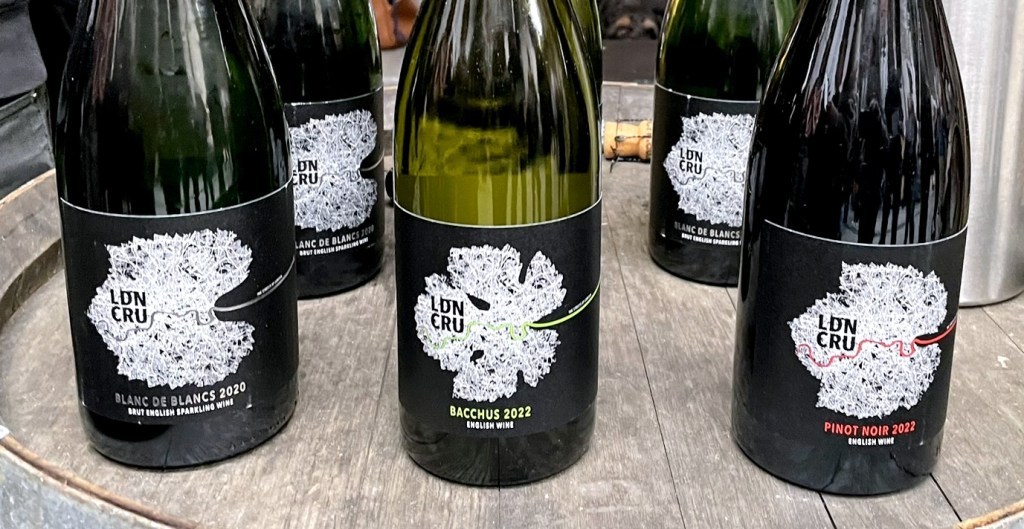
I’d visited London Cru winery in SW6 not long after it opened in 2013, when it was the first urban winery in London – a novelty at the time. Ten years later, they purchased Foxhole Vineyard – a 6.5ha vineyard in West Sussex, just 45 minutes drive away, planted with Pinot Noir, Pinot Gris, and Bacchus.
The London Cru wine labels are great – an illustration of the map of London in the shape of the leaf of the grape variety, as Alex the winemaker explained. Their Pinot Noir 2022 with fruit from West Sussex was pale and delicate, with crunchy cranberry and raspberry flavours and a smoky finish.
English wine is never going to be able to compete with the prices of high-volume wines produced in warm, dry countries. But I believe that some of these wines offer very good value: award-winning expressions of classic varieties with a distinctive English charm.
Do comment if you’ve tried any of these or other English wines!
 Terroir to the People: finding great value wine
Leave a comment